Psychological Resilience, Motivation, and Well-Being in Educational Contexts
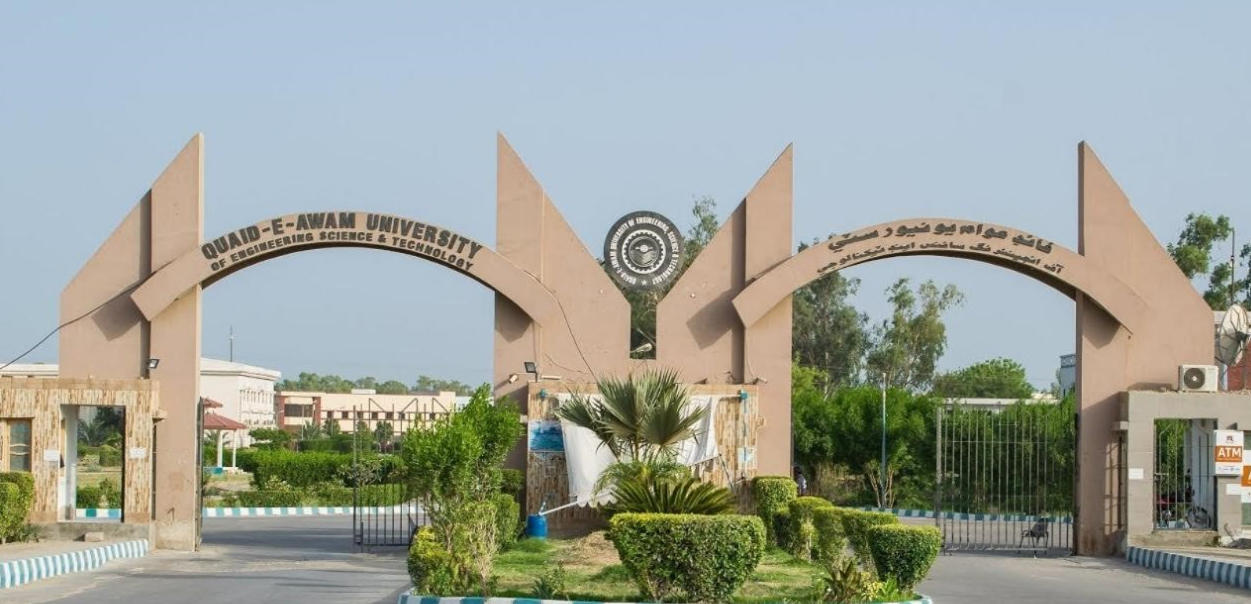
| Organizer | Department of English, Quaid-e-Awam University of Engineering, Science and Technology |
| Submission Deadline | June 4, 2026 |
| Notification of Acceptance | 7-20 workdays |
| Submission Email | sympo_nawabshah@iceipi.org |
| Registration Fees | USD 450 (6 pages included) |
| Additional Page | USD 40/extra page |
| Download | Manuscript Template |
Background
Under the framework of the 7th International Conference on Educational Innovation and Psychological Insights (ICEIPI 2026), this symposium explores the foundational role of psychological well-being in shaping effective educational practices. The intersection of psychology and education has emerged as a critical area of inquiry, recognizing that cognitive development and academic achievement are inseparable from learners' psychological states. Contemporary research affirms that psychological well-being serves as the foundational substrate upon which effective learning is constructed. Without emotional stability, resilience in the face of academic adversity, and intrinsic motivation, even the well-designed curricula fail to yield optimal outcomes. Students who experience psychological distress—whether stemming from academic pressure, social challenges, or underlying mental health conditions—exhibit diminished cognitive engagement, reduced information retention, and lower academic persistence. Conversely, educational environments that intentionally foster psychological resilience equip learners with adaptive capacities to navigate setbacks, while sustained motivation catalyzes active engagement with learning processes. Thus, understanding and nurturing these psychological dimensions is essential to creating educational contexts that genuinely support holistic student development and meaningful academic achievement.
Goal/Rationale
A persistent challenge within contemporary educational contexts is the diminished psychological well-being and motivational deficit experienced by a significant proportion of learners. This erosion of psychological resilience—manifesting as elevated stress, anxiety, academic burnout, and disengagement—directly impedes cognitive functioning, reduces academic persistence, and undermines the attainment of meaningful learning outcomes. When learners lack the foundational psychological stability required for sustained intellectual engagement, even the most pedagogically sound curricula fail to achieve their intended impact. This symposium is designed to systematically address such multifaceted challenges by bridging the gap between psychological research and educational practice. Participants will explore evidence-based strategies for cultivating resilience, restoring motivation, and promoting holistic well-being within learning environments. Recent advances in educational psychology and positive psychology offer promising pathways forward. Innovations such as resilience-training interventions, growth mindset frameworks, and social-emotional learning curricula have demonstrated efficacy in enhancing student motivation and psychological well-being. Additionally, the integration of mindfulness-based practices and strengths-based approaches into classroom settings has shown measurable improvements in learner engagement, emotional regulation, and academic self-efficacy. By translating these research-informed strategies into actionable pedagogical practices, educators can create supportive environments where psychological well-being and academic achievement are mutually reinforcing, enabling learners to thrive both cognitively and affectively.
Scope
This symposium delineates its scope within the intersection of educational psychology and pedagogical practice, examining the critical constructs of psychological resilience, motivation, and well-being as foundational to effective learning. Contributors are invited to address the following specific themes:
- Understanding Student Well-Being: Examining the psychological factors that underpin learner stability and emotional safety within educational environments.
- Cultivating Motivation: Exploring strategies to foster intrinsic and extrinsic motivation that sustains academic engagement and persistence.
- Building Support Systems: Identifying institutional and interpersonal frameworks that enable learners to flourish and achieve academic excellence.
- Educational Psychology Applications: Articulating the role of psychological principles in diagnosing, preventing, and addressing learner distress.
Through these thematic areas, the symposium aims to translate psychological insights into actionable pedagogical practices.
Publication
| Proceeding Title | Lecture Notes in Education Psychology and Public Media (LNEP) |
| Press | EWA Publishing, United Kingdom |
| ISSN | 2753-7048/2753-7056 (electronic) |
Accepted papers of the symposium will be published in Lecture Notes in Education Psychology and Public Media (Print ISSN 2753-7048), and will be submitted to Conference Proceedings Citation Index (CPCI), Crossref, CNKI, Portico, Google Scholar and other databases for indexing. The situation may be affected by factors among databases like processing time, workflow, policy, etc.
* The papers will be exported to production and publication on a regular basis. Early-registered papers are expected to be published online earlier.
This symposium is organized by ICEIPI 2026 and it will independently proceed the submission and publication process.


Highlights
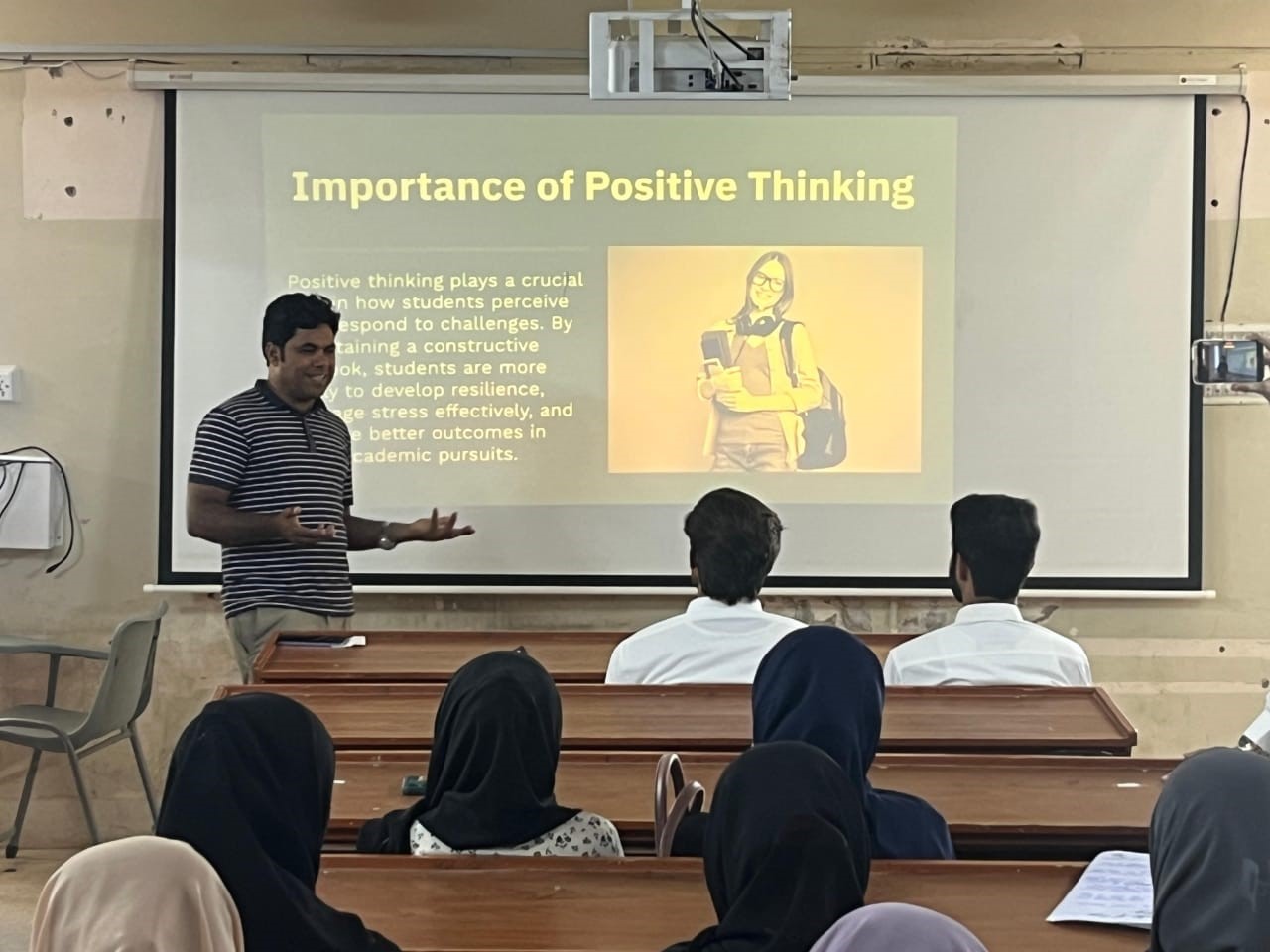
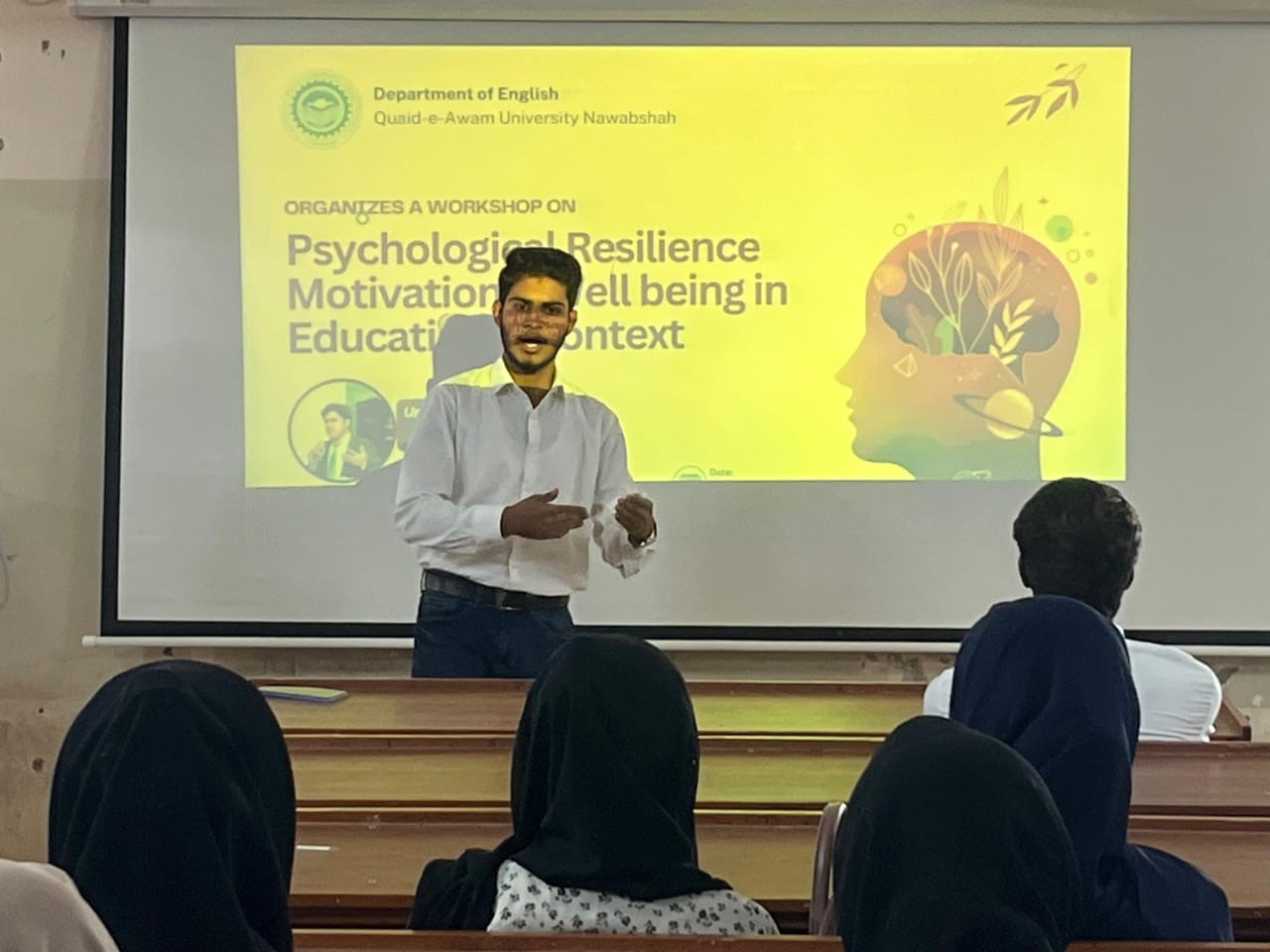
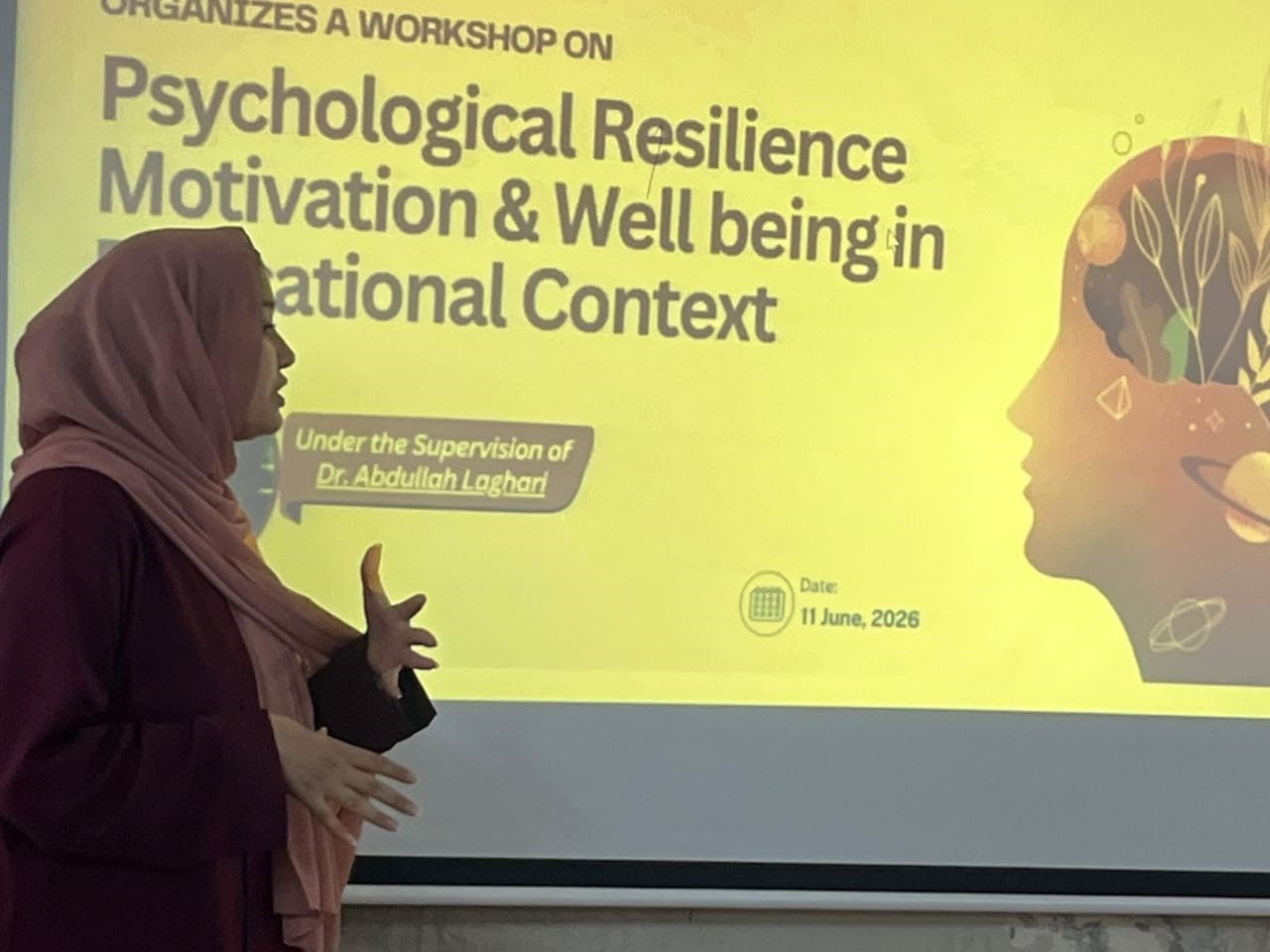
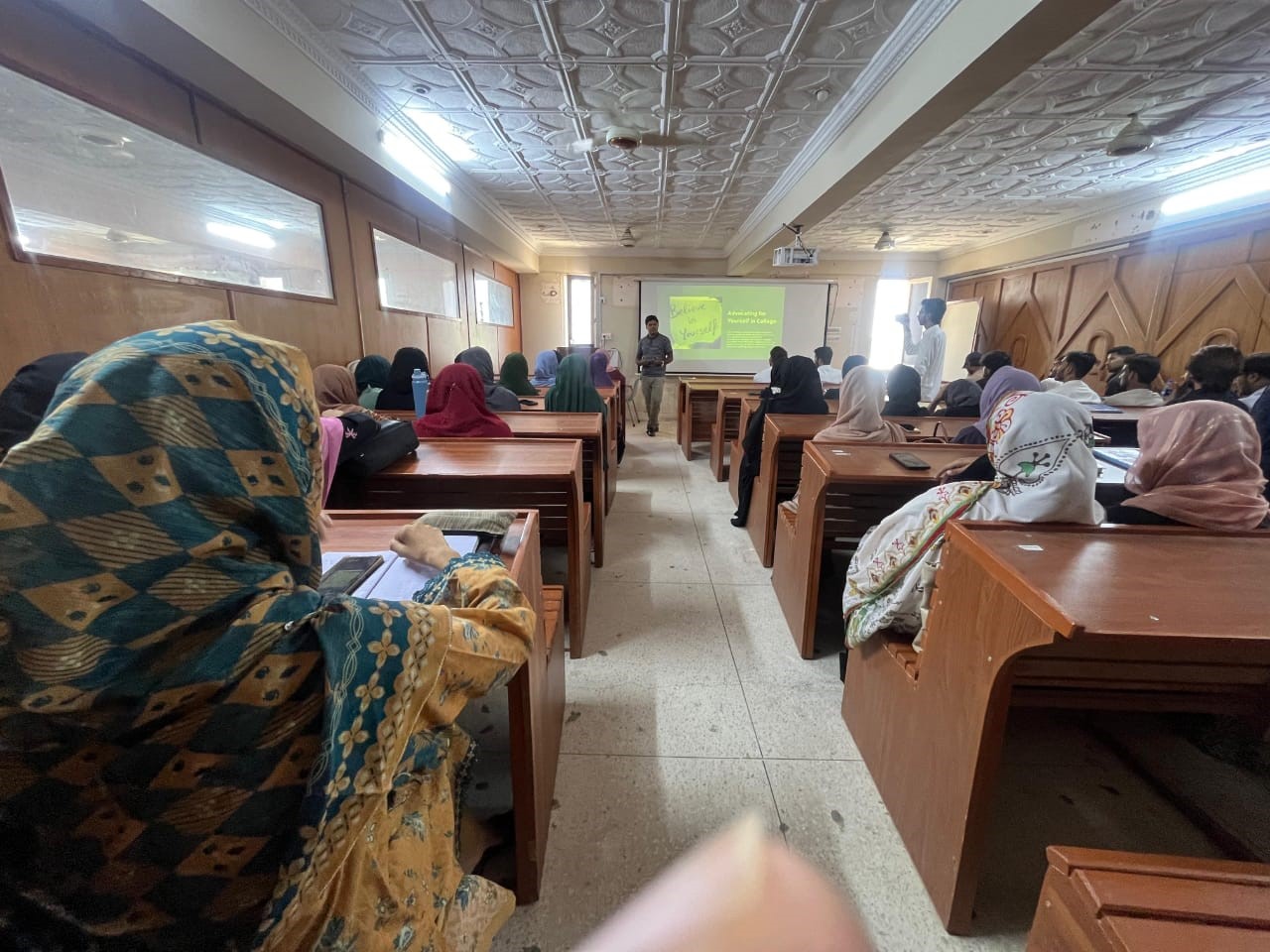
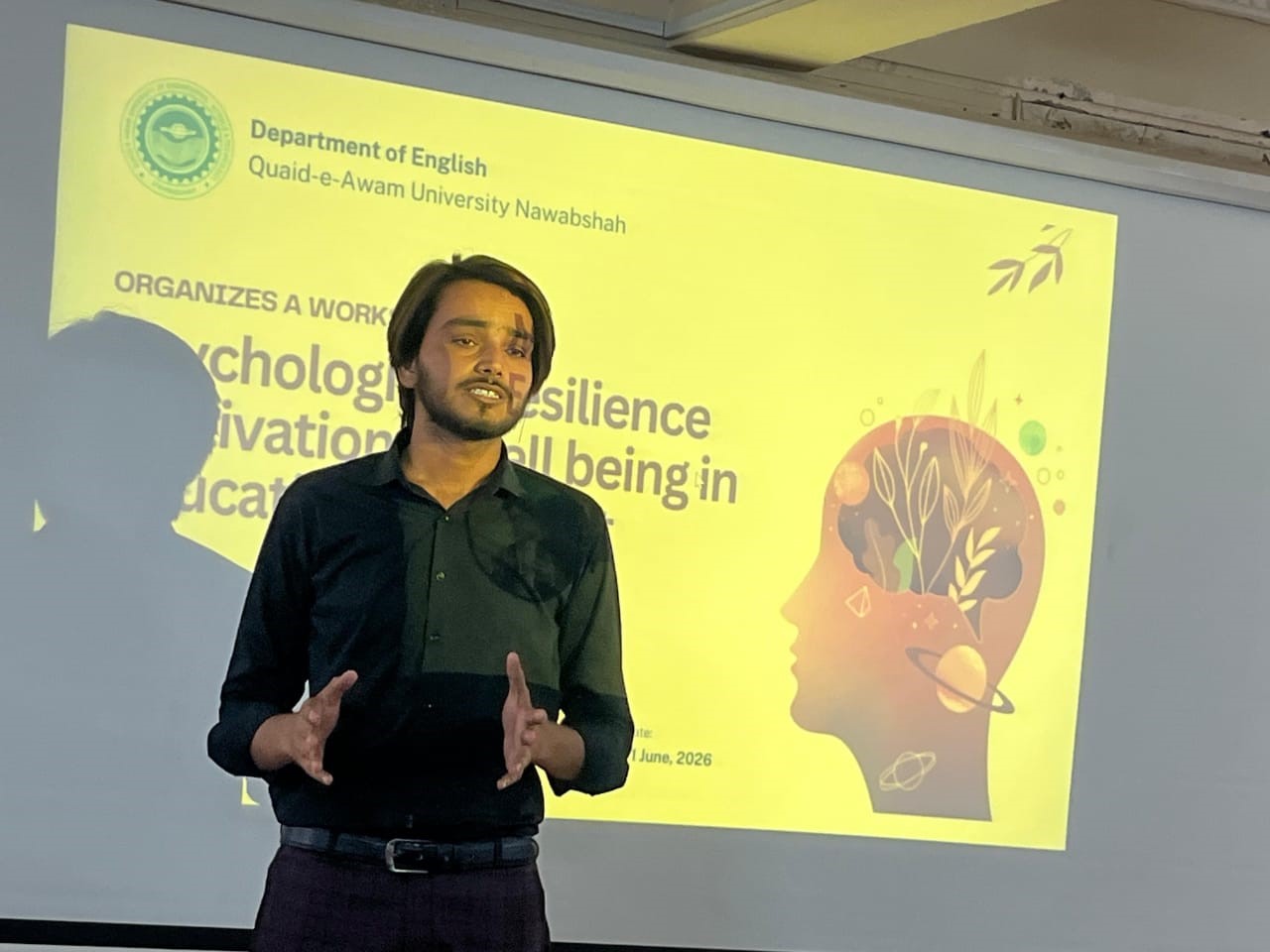
The Department of English, Quaid-e-Awam University of Engineering, Science and Technology, Nawabshah conducted a symposium titled ‘Psychological Resilience, Motivation and Well being in Educational Context’. The symposium was conducted by Dr. Abdullah Laghari who provided the participants with insightful knowledge on the notion. Dr. Laghari stressed on the need of remaining psychologically resilient for students. Additionally, he maintained that this sort of psychological perception will strengthen them in all respects. He also wanted learners to be intrinsically motivated for the academic excellence in the pursuit of seeking quality education. Intrinsic motivation will lead them to their well-being in educational contexts as well which is very essential for them.
The symposium went very successful in the sense that the students got motivation to go ahead in the academic career irrespective of any social and cultural hurdles on their way to success. The symposium provided them with a sort of great strength to prosper and not to give up in untoward situation. The student representatives also took an active role in telling their fellow beings the importance of psychological resilience and motivation which lead to a learners’ well-being to manage their academics significantly.
Access to Symposium: ICEIPI 2026 Symposium -- Nawabshah - YouTube